Leaderboard
Score / 100 · Higher is betterTotal = 30% L1 + 30% L2 + 40% L3 · Scores / 100
 GPT-6.1 Sol GPT-6 Astra
 Claude Opus 5.5
 DeepSeek V4.1 Flash
 Kimi K3.1 Pro
 MiniMax M3.1 Flash Kimi K3 GPT-6 Luna
 GLM-5.3-Flash
 Qwen 3.8 Max
 Doubao Seed Evolving
Full results L1 · L2 · L3 · Total
| # | Model | Effort | L1 65 | L2 65 | L3 15 | Total ↑ | Harness |
|---|---|---|---|---|---|---|---|
| 1 | GPT-6.1 Sol | max | 71.21 | 70.35 | 58.89 | 66.02 | Codex |
| 2 | GPT-6 Astra | max | 68.63 | 62.51 | 61.28 | 63.85 | Codex |
| 3 | Claude Opus 5.5 | max | 67.37 | 62.61 | 58.23 | 62.29 | Claude Code |
| 4 | DeepSeek V4.1 Flash | max | 63.20 | 62.00 | 49.72 | 57.45 | DSH |
| 5 | Kimi K3.1 Pro | max | 61.34 | 59.42 | 49.34 | 55.96 | Kimi CLI |
| 6 | MiniMax M3.1 Flash | max | 58.98 | 60.55 | 41.74 | 52.55 | Claude Code |
| 7 | Kimi K3 | max | 52.45 | 55.53 | 41.96 | 49.18 | Kimi CLI |
| 8 | GPT-6 Luna | max | 56.40 | 54.14 | 38.50 | 48.56 | Codex |
| 9 | GLM-5.3-Flash | max | 56.01 | 55.92 | 35.08 | 47.61 | ZCode |
| 10 | Qwen 3.8 Max | xhigh | 50.19 | 50.64 | 39.44 | 46.03 | Claude Code |
| 11 | Doubao Seed Evolving | max | 51.24 | 49.58 | 31.72 | 42.94 | Claude Code |
The benchmark
From a single object to a world that responds.
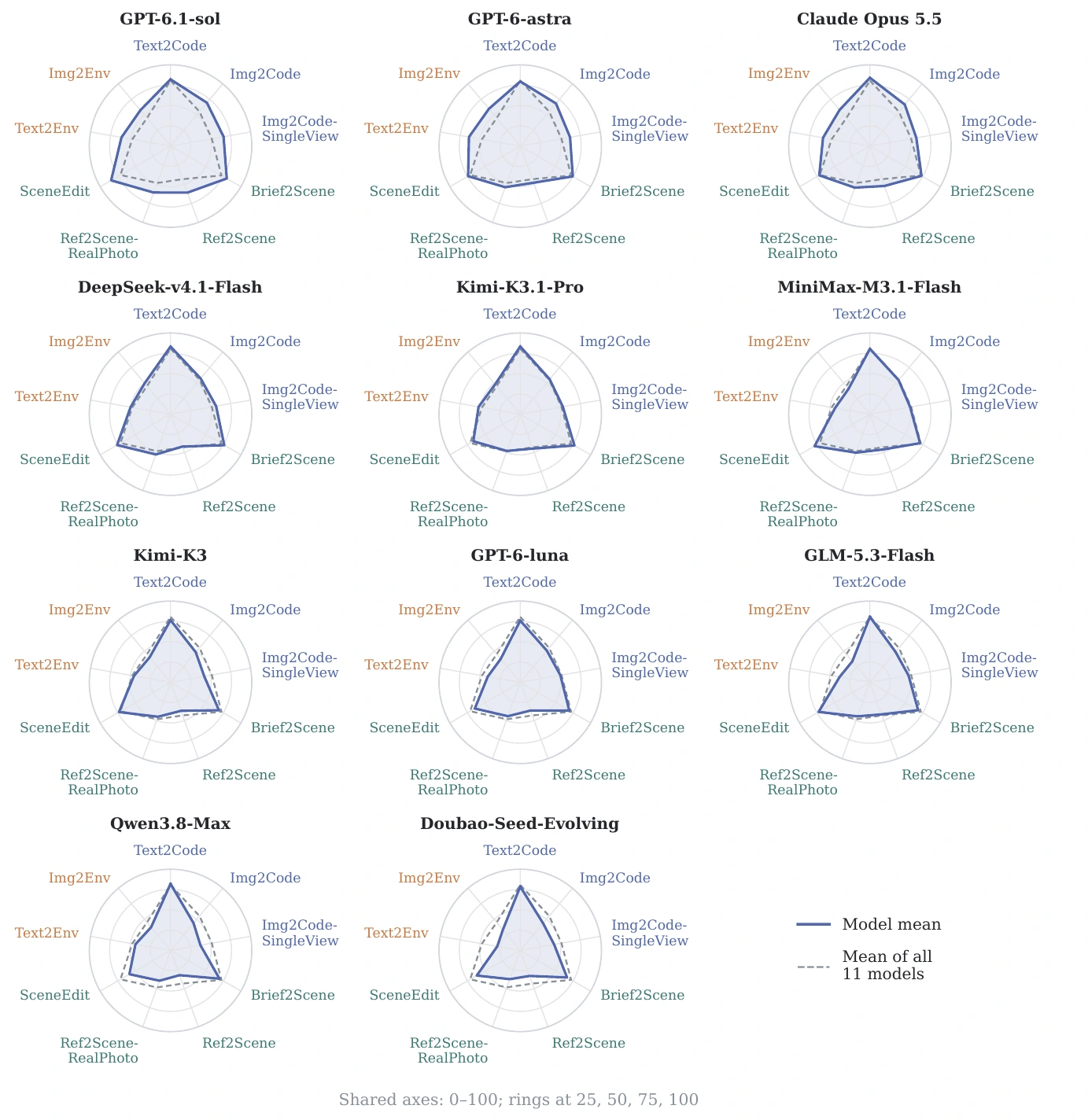
Frontier3DBench tests coding agents on the full stack of 3D creation: detailed objects, coherent scenes, and interactive worlds. Agents build native Blender and Unreal Engine projects that can be opened, edited, and executed.
Objects
Geometry · Structure · Appearance
Scenes
Layout · Appearance · Editing
Interactive open worlds
Connected regions · Object interactions · Persistent state
Task coverage
| Level | Task family | Input | Tasks |
|---|---|---|---|
| L1 | Text2Code | Text specification | 15 |
| L1 | Img2Code | Multi-view images + prompt | 25 |
| L1 | Img2Code-SingleView | Single image + prompt | 25 |
| L2 | Brief2Scene | Text brief | 20 |
| L2 | Ref2Scene | Rendered image + prompt | 10 |
| L2 | Ref2Scene-RealPhoto | Real photograph + prompt | 25 |
| L2 | SceneEdit | Initial scene + reference + edit | 10 |
| L3 | Text2Env | Text brief | 5 |
| L3 | Img2Env | Images + brief | 10 |
| Total | 145 | ||
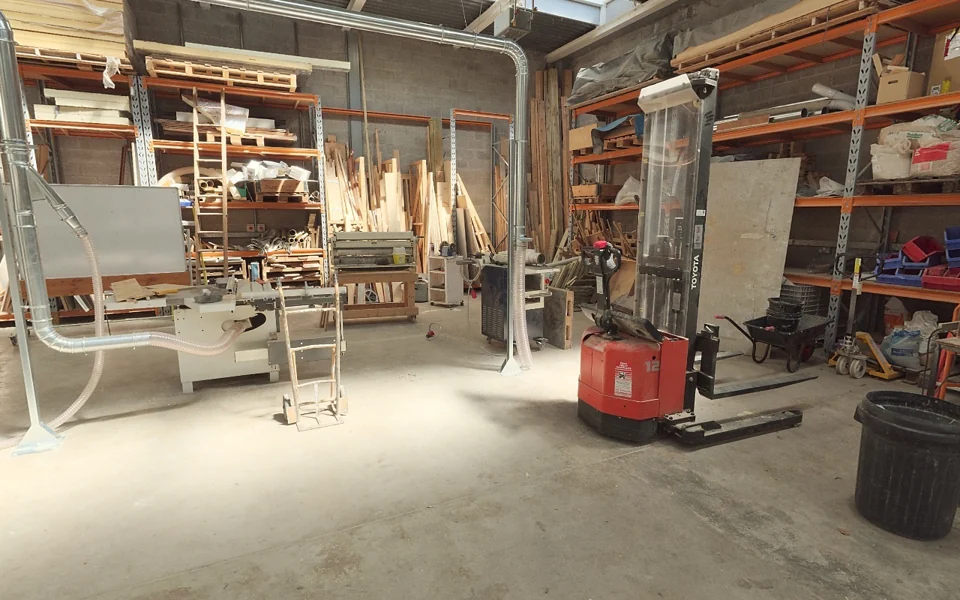
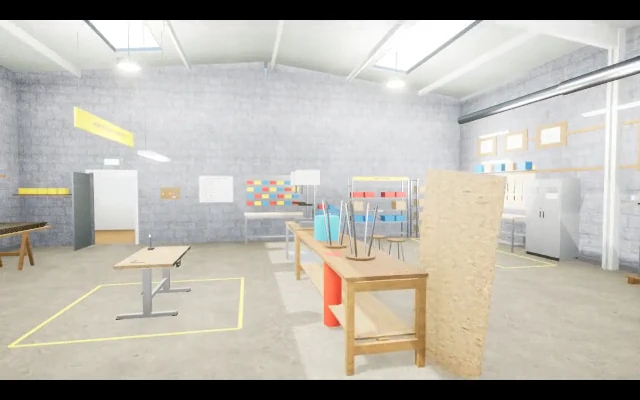
From reference to executable 3D
L1Reference to object
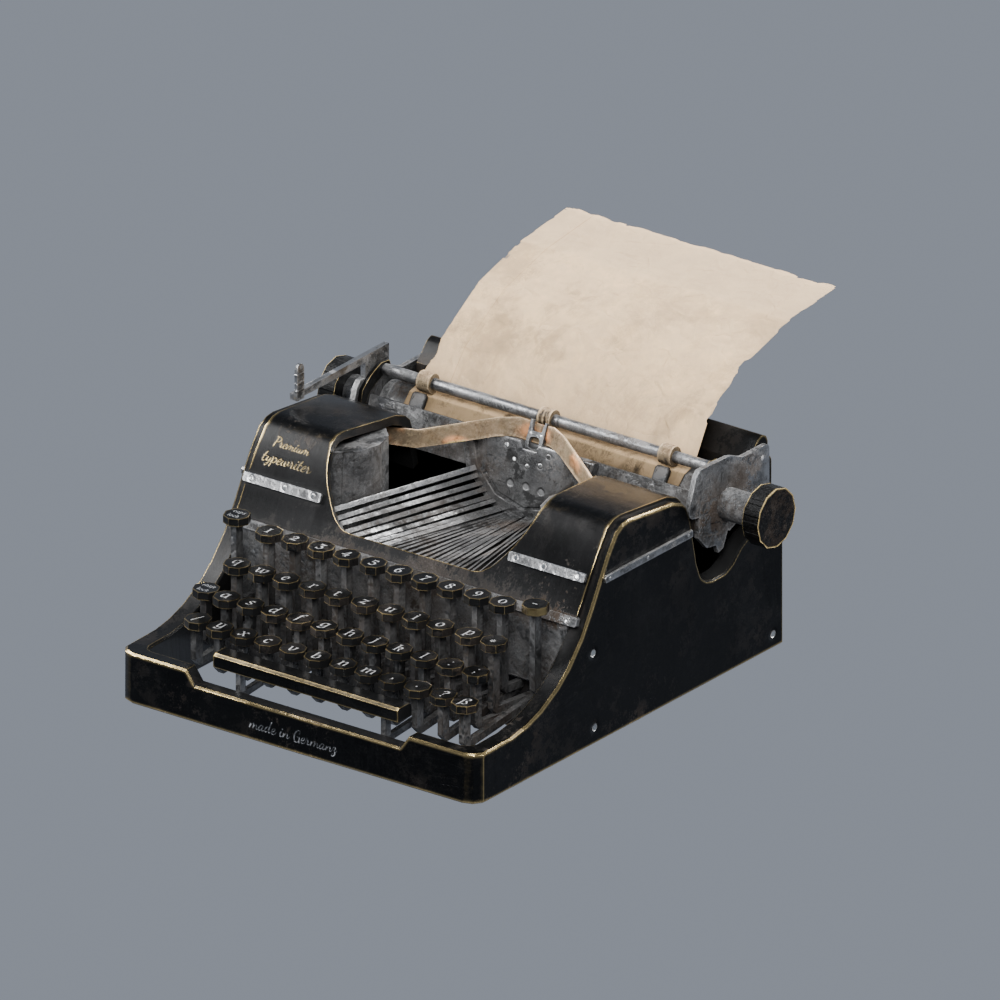
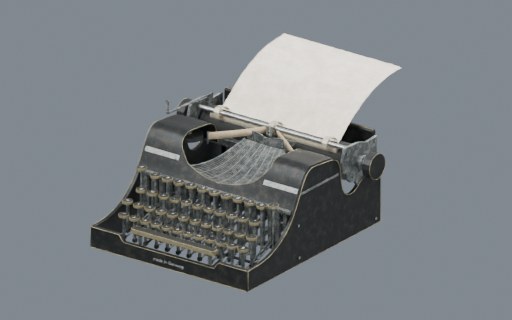
L2Reference to scene
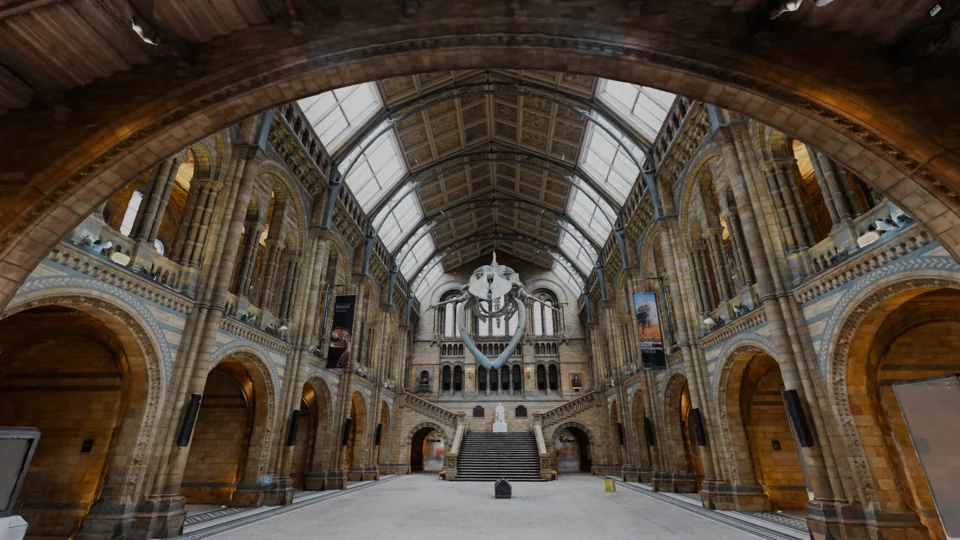
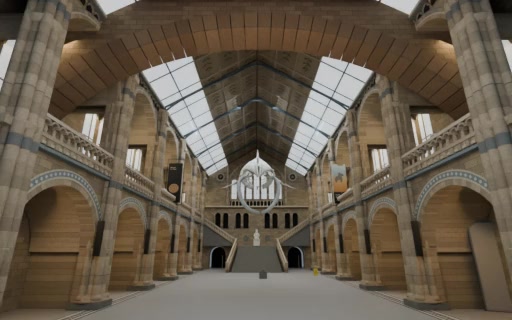
L3Reference to environment
Built to run. Measured in 3D.
Evaluation metrics ↗Native projects connect visual quality to real geometry and executable behavior. Independent evaluation measures what agents build, how it looks, and how it works.
Build
Agents write and execute code.
Submit
Editable Blender & UE5 projects.
Execute
Render, inspect, and interact.
Score
Task-specific criteria. One scale.
Inside the results
Best overall
Sol leads the complete benchmark.
Interactive worlds
Astra leads both L3 task families.
Text-to-object
Opus leads specification-driven modeling.
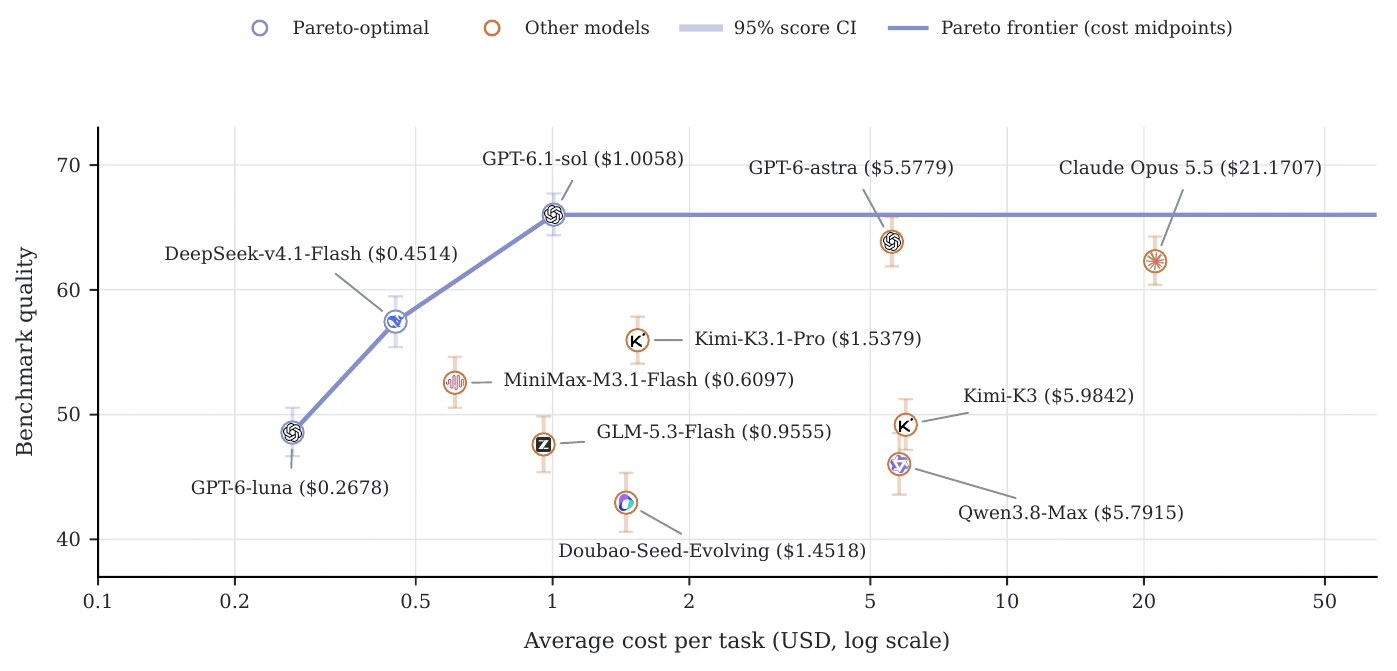
Quality and cost efficiency
Luna, DeepSeek, and Sol trace the quality–cost frontier at the paper’s estimated API costs.
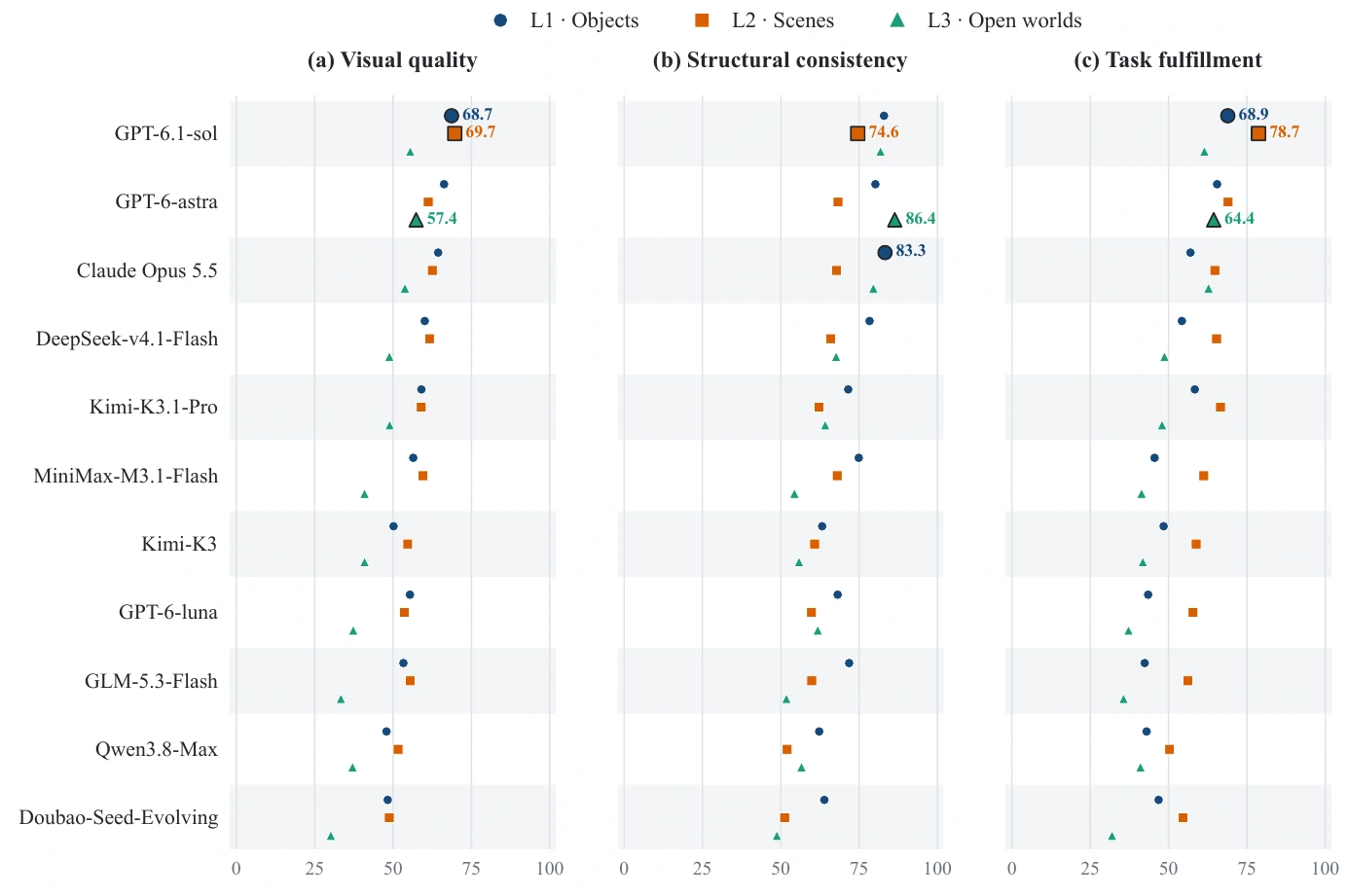
Appearance. Structure. Task fulfillment.
Three capability profiles distinguish visual fidelity, structural consistency, and completion of the requested task.
Explore all nine task families Model profiles ↗
Strengths across nine task families
Gallery
L1ObjectsDrag to rotate · Scroll to zoom
Typewriter
76.69/ 100 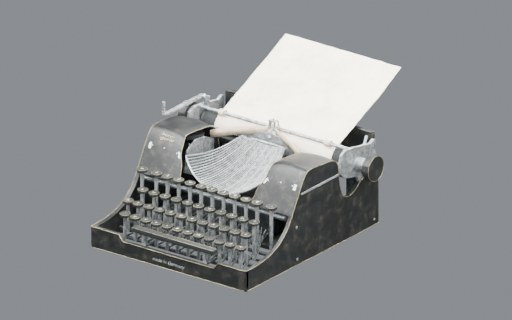 70.98/ 100
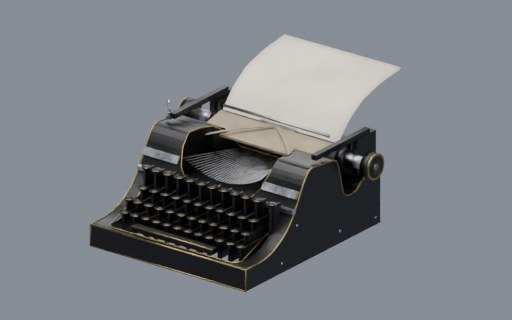 73.53/ 100
Microscope
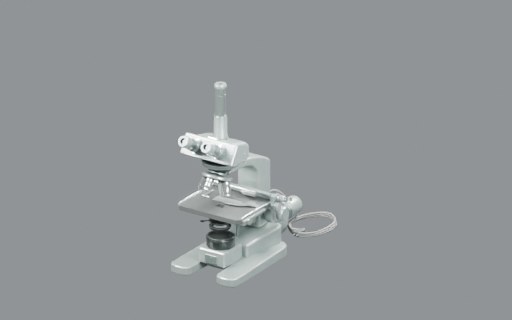 70.28/ 100
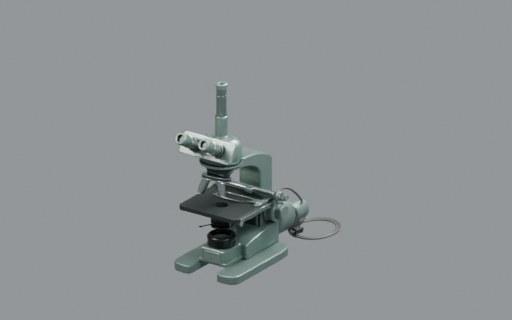 78.55/ 100
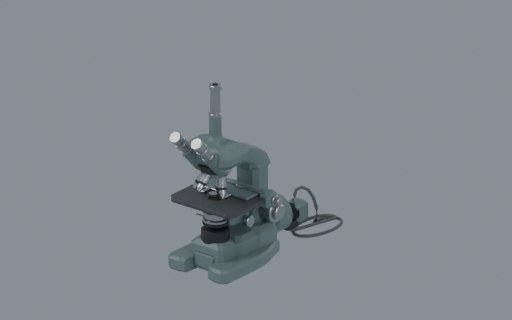 66.00/ 100
Sneaker
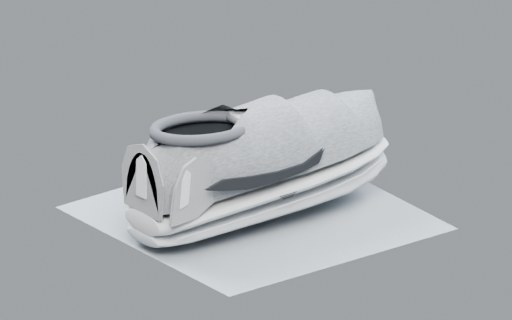 24.82/ 100
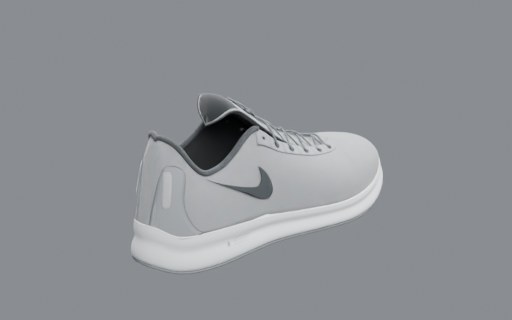 74.96/ 100
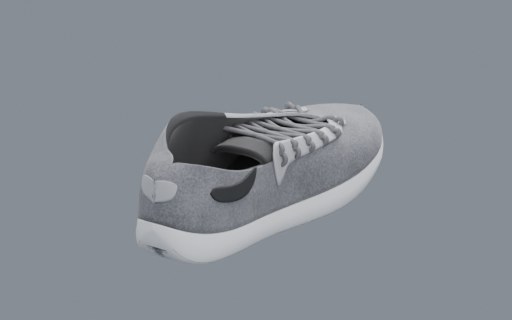 52.74/ 100